Mountain
Catalan Mountain Refuges: Booking, Packing and Shared-Space Etiquette
Prepare for a staffed Catalan mountain refuge with realistic booking questions, hut equipment, meal timing, and shared-room manners.
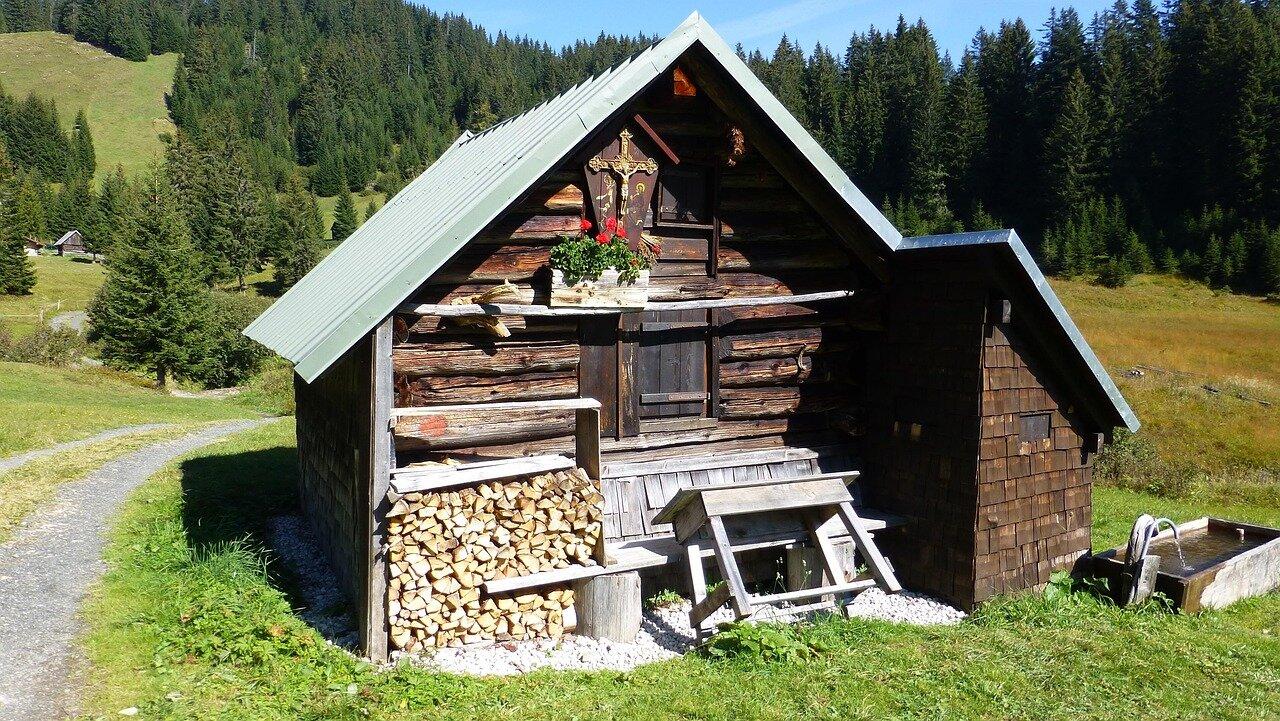
A mountain refuge is safety infrastructure and shared accommodation, not a remote hotel. Comfort varies, water and energy are limited, and everyone’s early start depends on the room settling quietly.
Plan Before You Pay
- Stay type: confirm the hut is staffed on your date; unstaffed shelters need different kit and expectations.
- Price: expect roughly €25–45 for a bunk and €50–85 with half board per person, but verify the quoted rate, deposit, and cancellation rules directly.
- Includes: ask whether dinner, breakfast, packed lunch, sheet liner, or showers are in the price.
- Approach: note distance, ascent, terrain, water points, and a bad-weather escape before booking.
- Book: reserve busy summer and foliage weekends weeks ahead through the hut or the FEEC refuge portal; state allergies when booking, not at dinner.
Information checked August 2026. Search and book through the responsible network or hut, and check park rules where the approach crosses protected land. Prices and opening periods vary by property—never assume last year’s rate still applies.
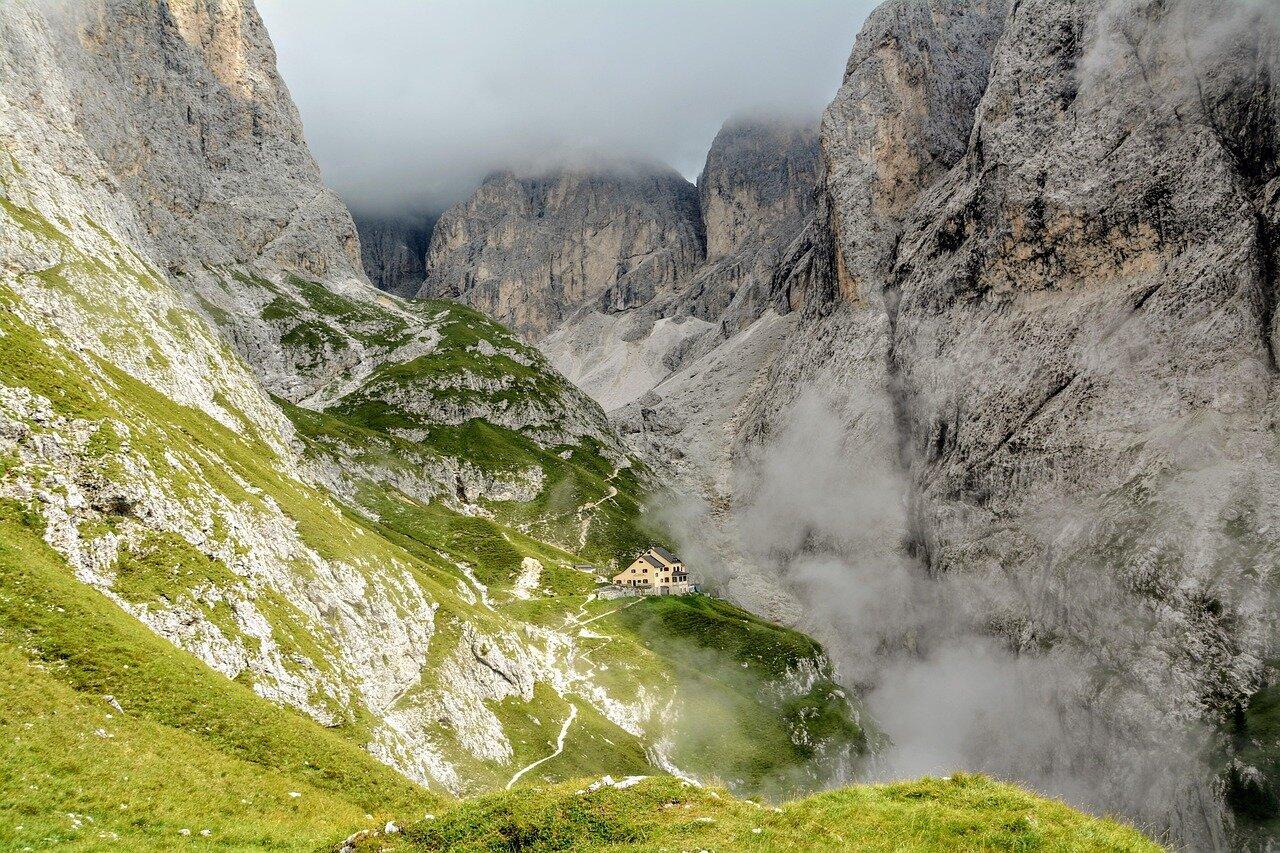
Pack for a Hut, Not for Rescue
Carry a sleeping-bag liner if required, earplugs, headlamp with spare batteries, warm layers, waterproofs, personal medicine, cash, and a small power bank. Do not count on showers, potable tap water, phone signal, charging, Wi-Fi, or card payment unless confirmed in writing.
A refuge reduces pack weight; it does not remove mountain risk. Carry route navigation, emergency food, and enough water for the approach. If your overnight sits inside a broader autumn plan, keep the route conservative as in the Pyrenees autumn walking guide—short daylight and early frost punish late arrivals more than summer does.
Bring a small dry bag for wet clothes and a change of socks for the hut. Many guardians prefer boots left at the entrance; pack hut shoes or thick socks accordingly.
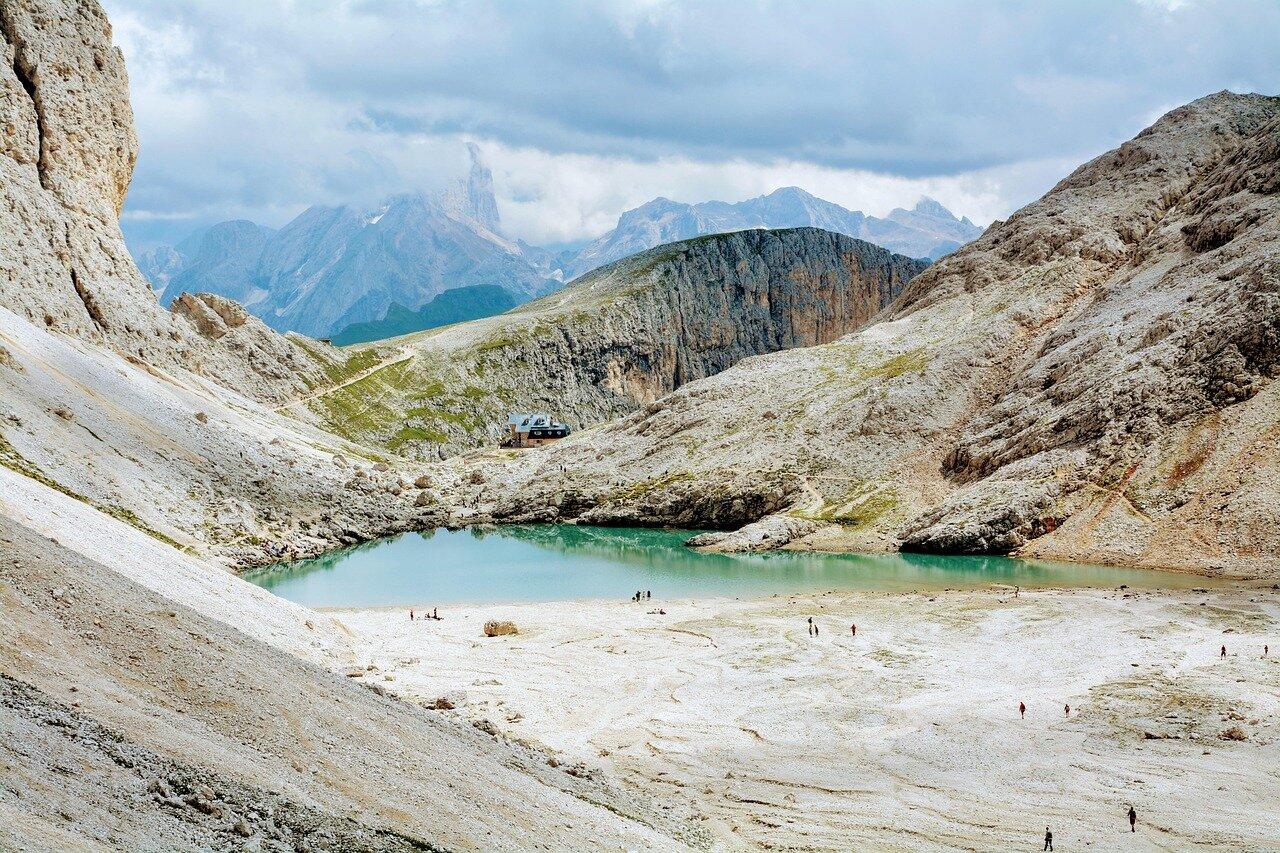
Inside the Shared Space
Remove muddy boots where instructed, place gear compactly, and use a red or low headlamp after lights-out. Prepare the morning pack before bedtime. Keep alarms quiet and immediate; one snooze loop should not wake a whole dormitory.
Arrive before the refuge’s stated dinner and check-in cutoff—often mid to late afternoon. If delayed, contact staff while signal remains. Never expect a held meal after choosing a route too ambitious for the group. Speak quietly in Catalan or Spanish if you can; English often works, but patience travels further than volume.
Do not monopolize drying space, kitchen corners, or the only power socket. Ask before charging devices. Alcohol, if allowed, stays moderate; the hut is not a party venue for people who still need dawn starts.
Cancel Cleanly, Leave Lightly
Cancel according to the policy: beds are scarce and no-shows affect both staff and other hikers. Carry out waste, use water sparingly, and follow the guardian’s instructions about toilets, washing, and food scraps. In severe weather, the correct refuge decision may be not to begin the approach at all—pay the cancellation if that is the cost of staying alive and uninjured.
Morning Exit Without Chaos
Most dormitories empty between 06:00 and 08:00. Pack the night before, eat breakfast on the hut’s schedule, and settle any balance before you leave. If you ordered a picnic lunch, collect it without blocking the serving hatch. Thank the guardian; they are managing safety and logistics, not running a boutique hotel. On the trail, keep group noise down near other huts and do not treat the next refuge as a guaranteed drop-in if you have no booking.
Related guides
- Montseny Without a Car: A Conservative Mountain Day
Use rail and seasonal bus links for a low-risk Montseny day, with a route sized to the actual return timetable.
- Taga from Ribes de Freser: A Serious Summit Day
Assess the long ascent of Taga from Ribes de Freser, including effort, weather, navigation, and a lower-level fallback.
- Pedraforca Hiking Routes: Choose a View Walk, Circuit or Summit
Choose the right Pedraforca day by comparing a moderate Saldes viewpoint circuit, the full mountain circuit, and the technical summit.