Mountain
A First Snowshoe Day at Vallter: Rent, Turn Back or Walk Lower
Plan a beginner Vallter snowshoe day by checking live circuit status, snow type, rental availability, avalanche information and the lower-valley fallback.
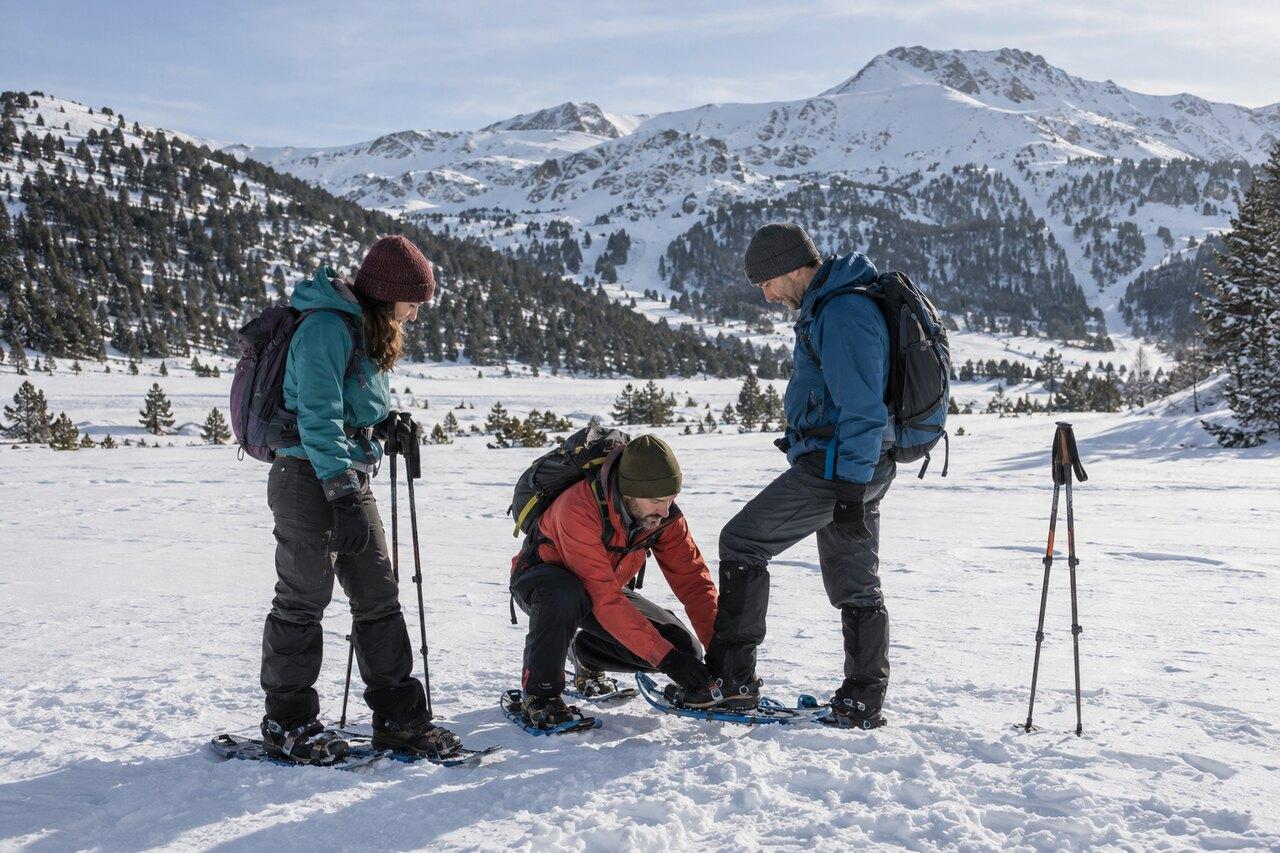
Snowshoes are useful when your boots sink into continuous soft snow. They are not a winter admission ticket, and carrying them does not make an unmarked Vallter slope suitable for a beginner. Thin cover catches the frame on rock; hard snow can require traction and movement skills that snowshoes do not provide; avalanche terrain remains avalanche terrain.
For a first day, use the shortest open snowshoe circuit inside the station’s current plan, or book a qualified guide who chooses the route after reading the snowpack. If the circuit, rental counter or access road is not operating—or if you cannot interpret the avalanche information—walk lower in the Vall de Camprodon without snowshoes. The objective is learning the equipment and returning with warm hands, not reaching Coll de la Marrana, Bastiments or Pic de la Dona.
Make the decision before the road above Setcases
| Check | Rent and go | Hire a guide | Walk lower |
|---|---|---|---|
| Snow surface | Continuous soft snow on an open marked circuit | Variable cover that a professional can assess and route around | Bare ground, discontinuous patches, hard ice or saturated snow |
| Navigation | Station confirms the circuit and its markings are open | Group cannot confidently identify the marked beginner circuit | Circuit is closed, obscured or not shown live |
| Avalanche information | Group understands the bulletin and stays on confirmed suitable terrain | Bulletin wording, aspect or avalanche problem is beyond the group | Conditions or warning signs make any intended route unsuitable |
| Equipment | Rental set, waterproof boots and winter clothing all fit | Technique, bindings or group needs require instruction | Correct footwear or clothing is missing |
| Weather and access | Road, parking, visibility and wind leave a wide return margin | Conditions are manageable only with local professional judgment | Road controls, poor visibility, strong wind or rapid warming remove the margin |
Open the Vallter live report on the morning of travel. It separates lifts, services, parking, snowshoe circuits and other mountain itineraries. A resort being “open” does not prove that the snowshoe circuit is open; skiing can continue on managed pistes while surrounding natural ground is thin, wind-scoured or outside the patrol plan.
Call the equipment desk as well. Confirm snowshoe-and-pole stock in the required sizes, collection time, closing time, identification or deposit rules and whether staff can demonstrate the binding. The published Vallter equipment page showed €18 for snowshoes and poles and €14 without poles when checked in September 2026. Those are dated reference prices, not a tariff for a future winter.
The road and parking are part of the winter outing
Vallter is reached by the mountain road above Setcases. Check Catalan traffic information, the station report and the forecast before leaving the valley. Carry the winter equipment required for the car and know how to fit it before the road becomes snowy. Never stop in a live lane to improvise with chains.
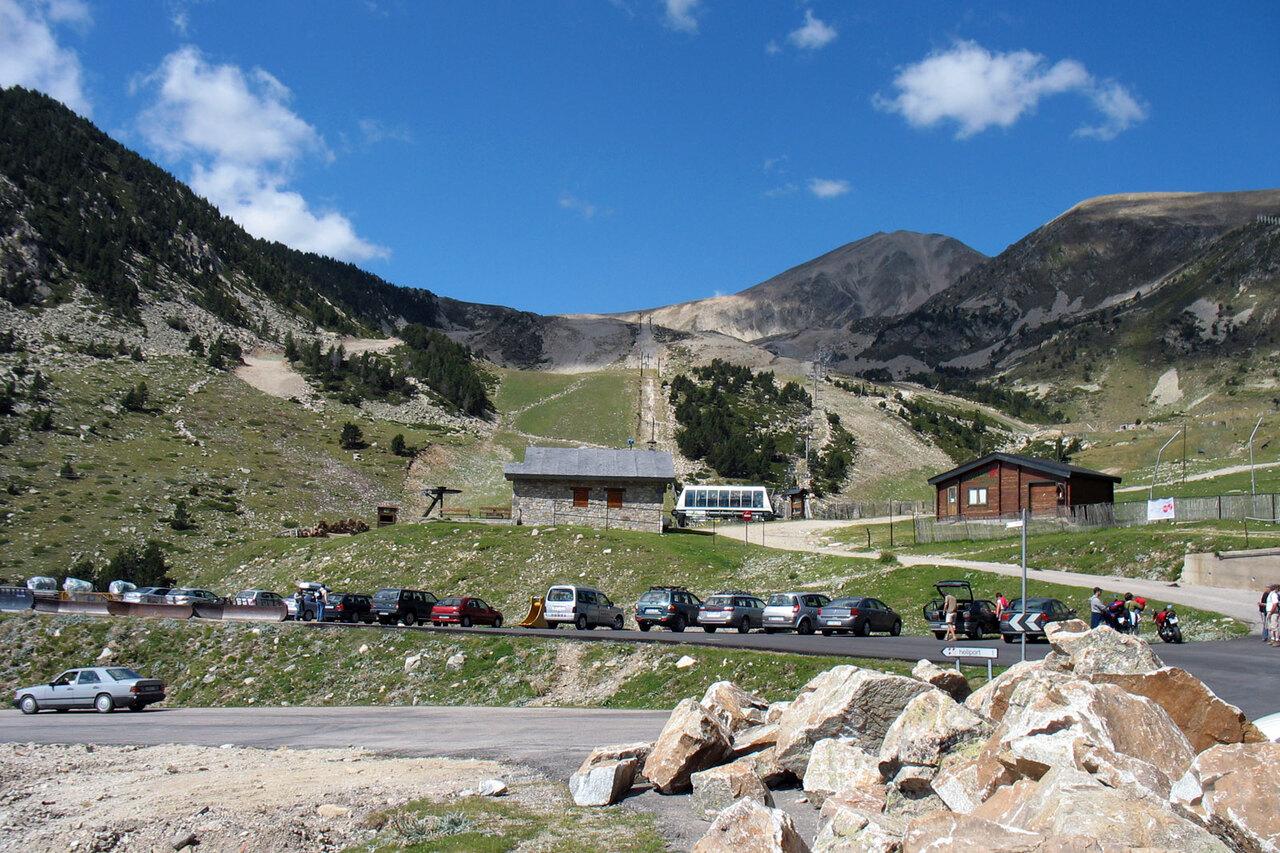
The station’s practical access page identifies several car parks at different elevations and describes seasonal rules, capacity controls and an internal shuttle on selected busy days. Read the version for the intended winter rather than assuming the closest lot is open to a visitor without a ski pass. If access is temporarily restricted because parking is full, wait where directed or abandon the high plan; a verge is not a substitute space.
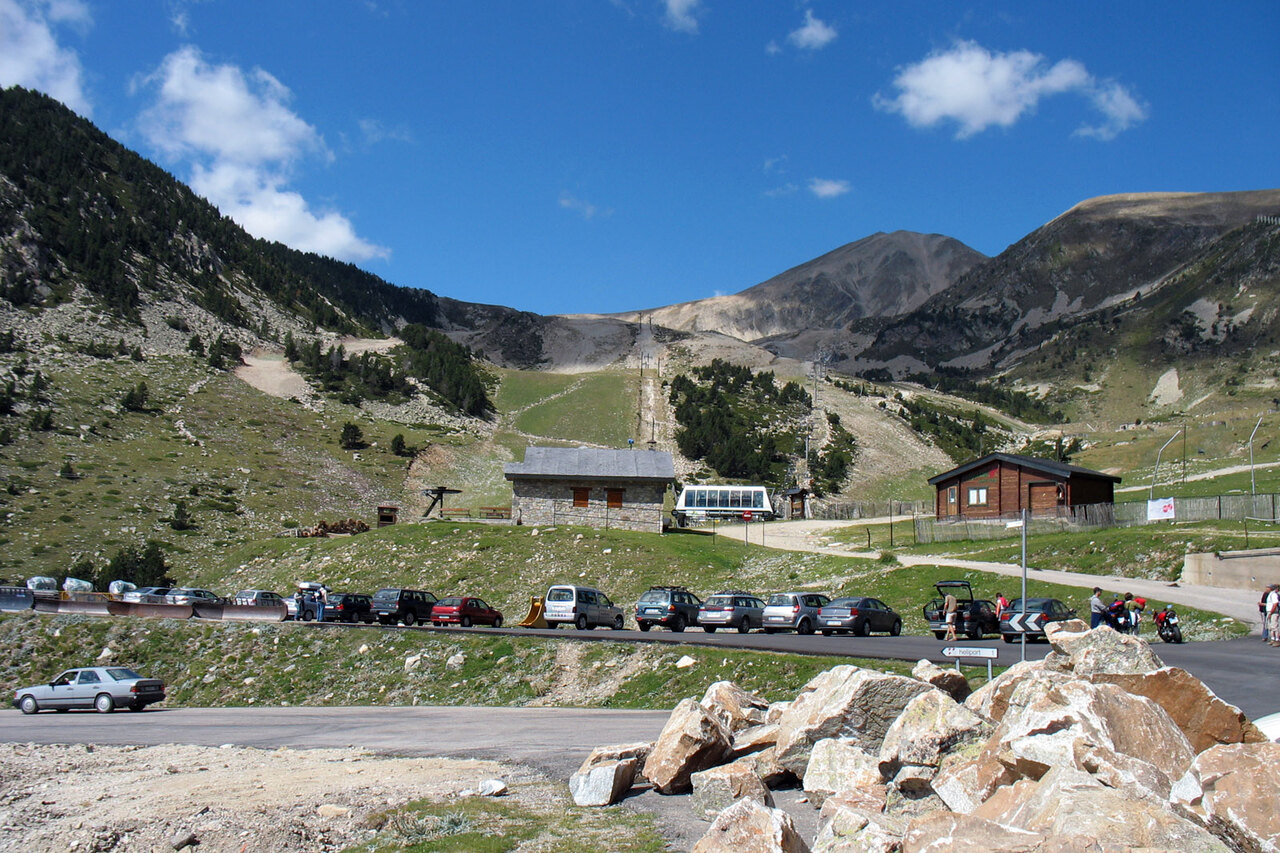
Arrive early enough to solve parking, toilets, rental fitting and route confirmation before the walk. Beginning at noon after a slow winter drive turns a short lesson into a race against counter closing and road refreeze.
At the rental counter, fit the day as carefully as the binding
Snowshoes spread weight; their metal points and heel lifts do not make every surface secure. Wear waterproof hiking or winter boots that the binding can hold firmly. Soft street shoes, smooth-soled fashion boots and cotton trousers are poor substitutes. Carry gaiters if the snow is deep or wet, plus waterproof shell, insulating layer, hat, gloves and a spare dry glove layer.
Ask staff to check both bindings on the actual boots. Learn how the front and heel straps close, how to release them with gloves, when the heel lift is appropriate and how the model’s traction engages. Walk a few metres on level snow before leaving the base. A loose heel or strap that drags can become a fall and a cold repair farther out.
Poles should be adjusted for balance, not planted as brakes. Keep wider spacing between feet than in ordinary walking so one frame does not step on the other. On a turn, use several small steps; do not cross the snowshoes. When descending, keep the body controlled over the feet rather than leaning far back and sliding.
The FEEC snowshoe overview describes snowshoes as appropriate when the foot sinks slightly into the snow. That condition matters. If the surface is a hard frozen sheet, ask staff or a guide what equipment and route are suitable. Do not strap a snowshoe over the wrong problem because it was reserved online.
Pla de Morens is for practice, not for inventing a summit route
Use the live report and the current Vallter winter map together. The map distinguishes ski pistes, snowshoe circuits, ski-mountaineering lines, freeride terrain and avalanche markings. Similar-looking colored lines can represent activities with very different hazards; carry the current map offline and ask the information or rental desk to point to the exact beginner circuit.
Set a modest first target: 60–90 minutes including instruction and stops, with a turnaround no later than halfway through the available time. Stay on the confirmed open circuit around the managed station area. Keep clear of ski pistes, lift lines, grooming machines and sledging space, and obey every closure even when old tracks continue beyond it.
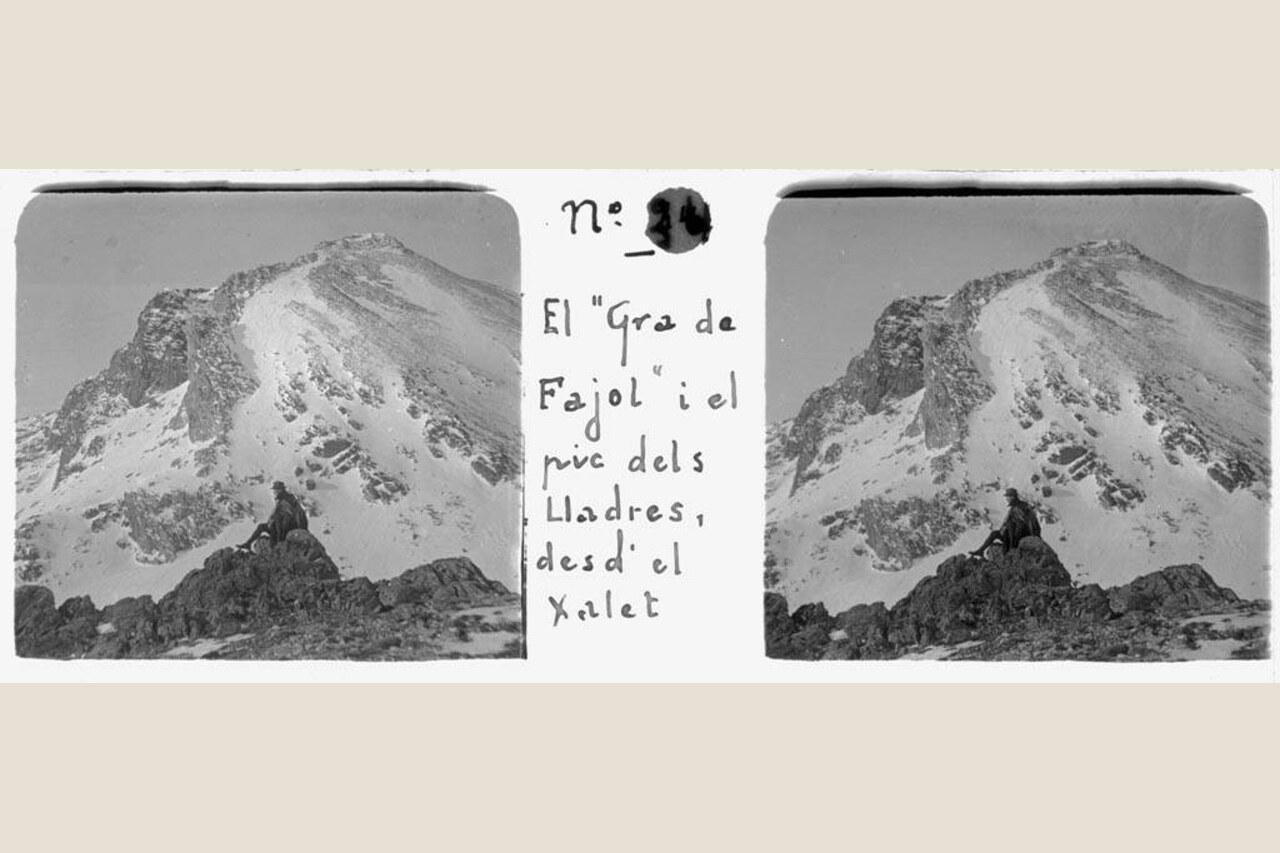
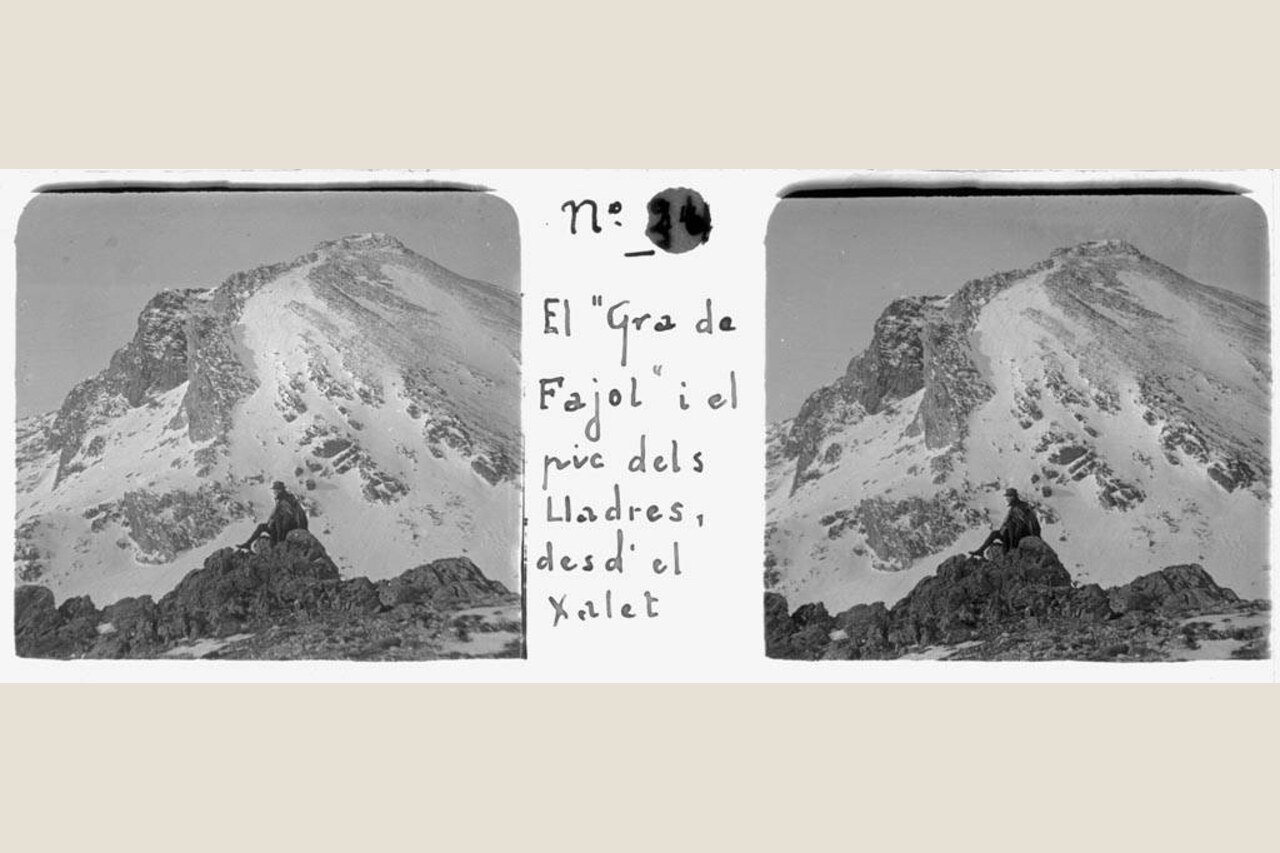
A first circuit should teach five things: walking without overlapping frames, turning, using poles, regulating heat and recognizing when the surface has changed. It does not need a named col or summit. Gra de Fajol, Coll de la Marrana and Bastiments appear close because Vallter already starts high; none is a casual extension from a beginner loop.
Read the bulletin as terrain information, not a permission number
Before travel, read the ICGC Avalanche Danger Bulletin for the eastern Catalan Pyrenees and the Meteocat Pyrenees forecast. The bulletin’s overall danger level is only the first line. Elevation bands, aspects, expected avalanche problems, trend and recent weather must be related to the actual route.
If those terms are unfamiliar, this is the point to book a qualified winter-mountain guide—not to choose a line that looks flatter on a phone. A marked station circuit can reduce route-finding uncertainty, but it does not transfer responsibility to a screenshot. Confirm whether the circuit is controlled or simply waymarked and what current status means.
Turn immediately if markings disappear, wind fills the track, visibility removes the next known point, snow balls heavily under the frames, a hard crust defeats traction or anyone becomes cold and quiet. Cracking snow, a hollow “whumpf,” recent avalanches or rapidly loaded slopes are not curiosities to inspect. Retreat along the known safe line and report relevant observations to station staff.
Temperature management matters before distance
Beginners often overdress at the car, sweat on the first climb and then chill at the pause. Start slightly cool, open vents early and add insulation before stopping. Eat and drink before the group feels depleted; cold can suppress thirst without reducing the need for water.
Keep the group close enough to communicate without shouting. The slowest person sets the pace. Check fingers, toes and faces at every stop, especially in children or companions who may understate discomfort. A thermos and dry gloves do more for a first day than another kilometre.
Return the rental well before closing. Brush off excess snow only where directed and report a damaged strap or lost basket honestly. Leave time for the drive down before shade and falling temperature harden wet road sections.
When Vallter says no, move the day below the snow line
No continuous snow means no snowshoe lesson. It does not require hunting for a whiter slope outside the marked area. Drive back to Setcases or Camprodon, ask for a current signed valley walk and use ordinary hiking footwear suited to the surface. The Vall de Camprodon tourism site is a starting point for lower-elevation route ideas; confirm snow, ice, closures and river conditions locally.
If children mainly want contact with snow, use a staffed activity that the station lists open rather than walking through ski traffic or sledging on an unknown slope. If rain or road ice removes even that plan, keep the day in Camprodon for a short riverside circuit and lunch.
Snowshoes should be the answer to the snow underfoot, not the reason to enter the mountain. At Vallter, renting, turning back and walking lower are three equally deliberate outcomes—and the correct one can change between breakfast and the parking control.
Related guides
- Ulldeter Refuge from Vallter: A First High-Mountain Walk
Walk to the current Ulldeter refuge from the Vallter road, with a clear turnaround, snow-free conditions and a separate longer-route option.
- Matagalls from Collformic: Route and Turnaround Points
Plan the Matagalls ascent from Collformic with trailhead logistics, effort estimates, weather checks and clear reasons to turn back.
- Puigmal from Vall de Núria: Rack Railway Hiking Plan
A summit-day plan for Puigmal from Vall de Núria, with rack-rail timing, turnaround rules, altitude, and weather fallbacks.
Are you in the know?
Receive new articles, local updates, and occasional offers from selected partners. We never share your email address. Unsubscribe at any time.
By subscribing you agree to our privacy policy.