Mountain
Aigüestortes for the First Time: Choose Boí or Espot
Choose the right gateway, use the authorized 4x4 system, and plan a first national-park walk without overcommitting.
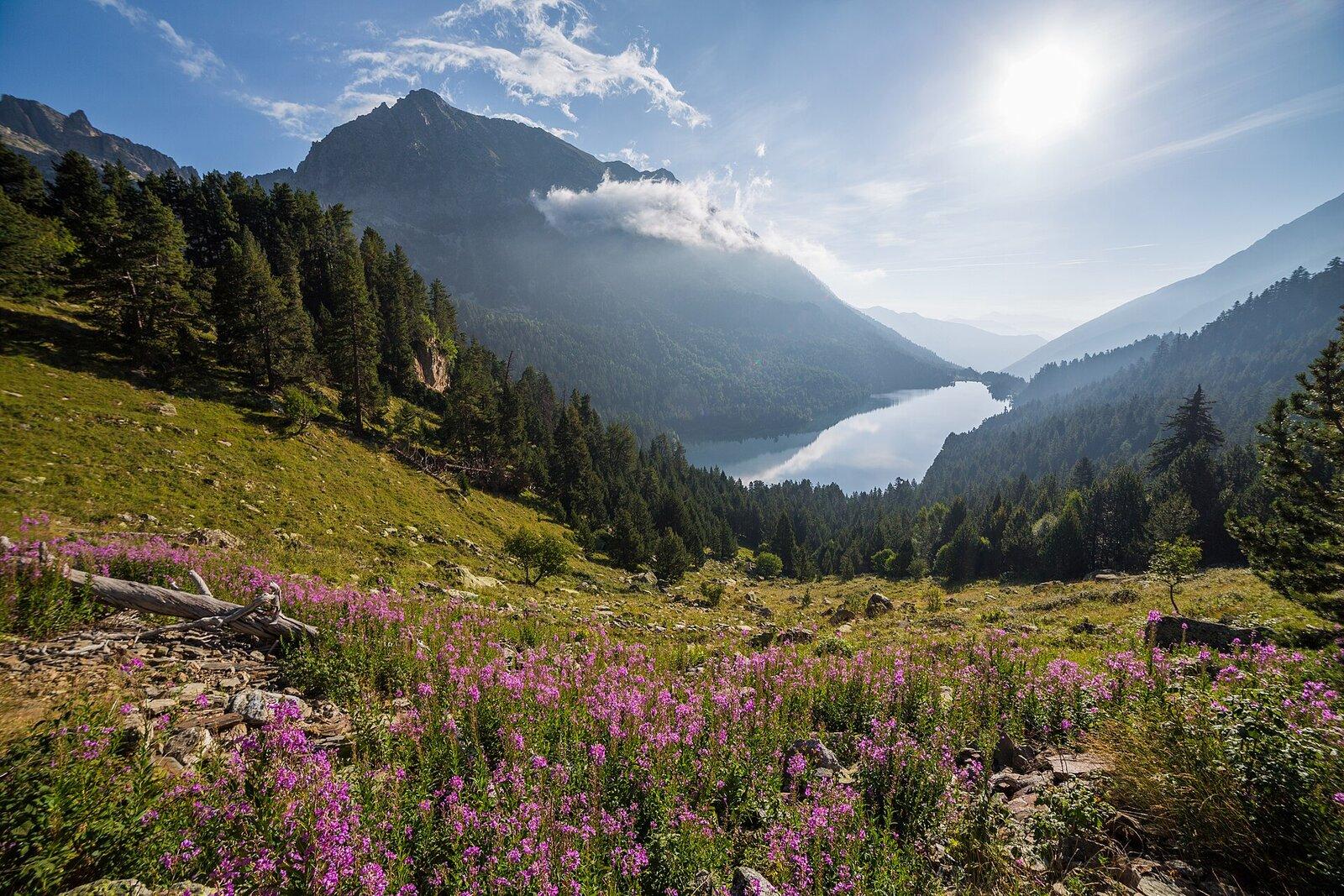
Aigüestortes i Estany de Sant Maurici National Park has two famous gateways that are not interchangeable. Boí serves the Aigüestortes plateau in the west; Espot serves Estany de Sant Maurici in the east. Trying to combine them in one ordinary day wastes the time you came to spend outside.
Plan at a Glance
- Route: overnight near Boí or Espot → Casa del Parc / taxi rank → authorized 4x4 into the park → one signed lake or valley walk → same 4x4 return → village dinner.
- Walking: keep the first visit to about 6–10 km and 200–400 m of ascent from the drop-off; allow 3–5 hours on foot plus transfer waits.
- Transport: private car to the gateway is realistic for most visitors. From Boí, taxis leave Plaça del Treio beside Sant Joan and the park centre; from Espot, use the authorized Sant Maurici taxi service. Seasonal park buses link some surrounding villages—confirm before relying on them.
- Budget: allow €25–55 per person for shared 4x4, packed food, and a village drink. Overnight lodging and the long approach from Barcelona or Lleida are extra.
- Book: reserve a gateway bed in summer; taxi ranks are usually hired on the day, but hours shrink or close in snow and storms.
Access checked August 2026 with the park’s official access guide and the Vall de Boí taxi page. Private cars stop at authorized outer parking; only authorized 4x4s continue to the high drop-offs. Recheck Meteocat the morning you go.
Do Not Plan This as a Casual Barcelona Day Trip
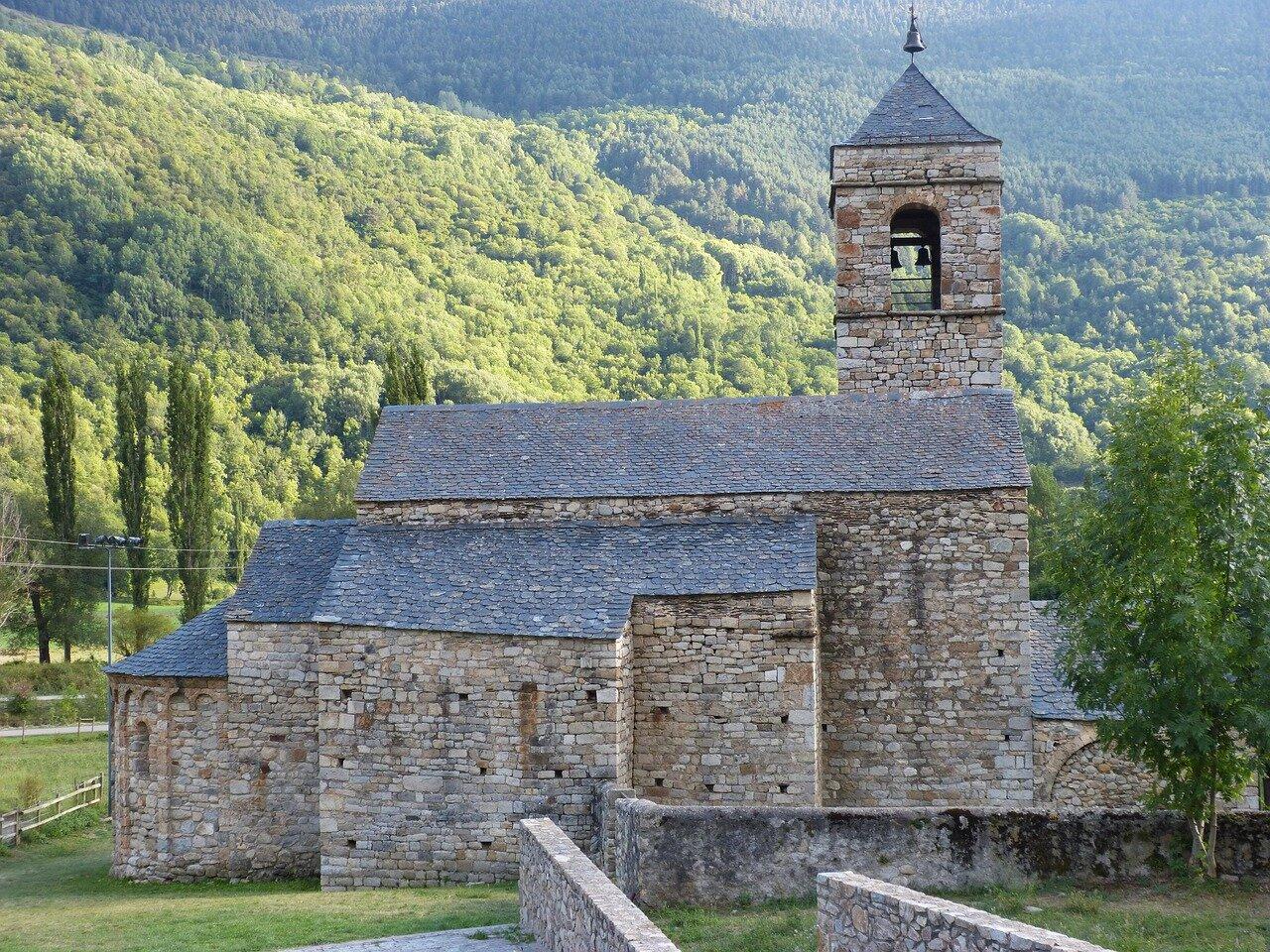
Public transport to Boí and Espot is limited and not every service runs daily or year-round. Treat the park as an overnight or multi-night base, not a dawn-to-midnight city escape. By car, use signed entrance parking such as Palanca de la Molina / La Farga on the Boí side or the Espot approach lots; when they fill, follow marshals rather than inventing roadside space. Winter ice can close transfers entirely.
At the taxi drop-off, confirm the last practical return before you leave the rank. Choose a signed route with distance, ascent, and a hard turnaround time. Carry water, food, offline mapping, warm and waterproof layers, and sun protection even on a “flat” plateau day.
Make the Small Walk the Main Event
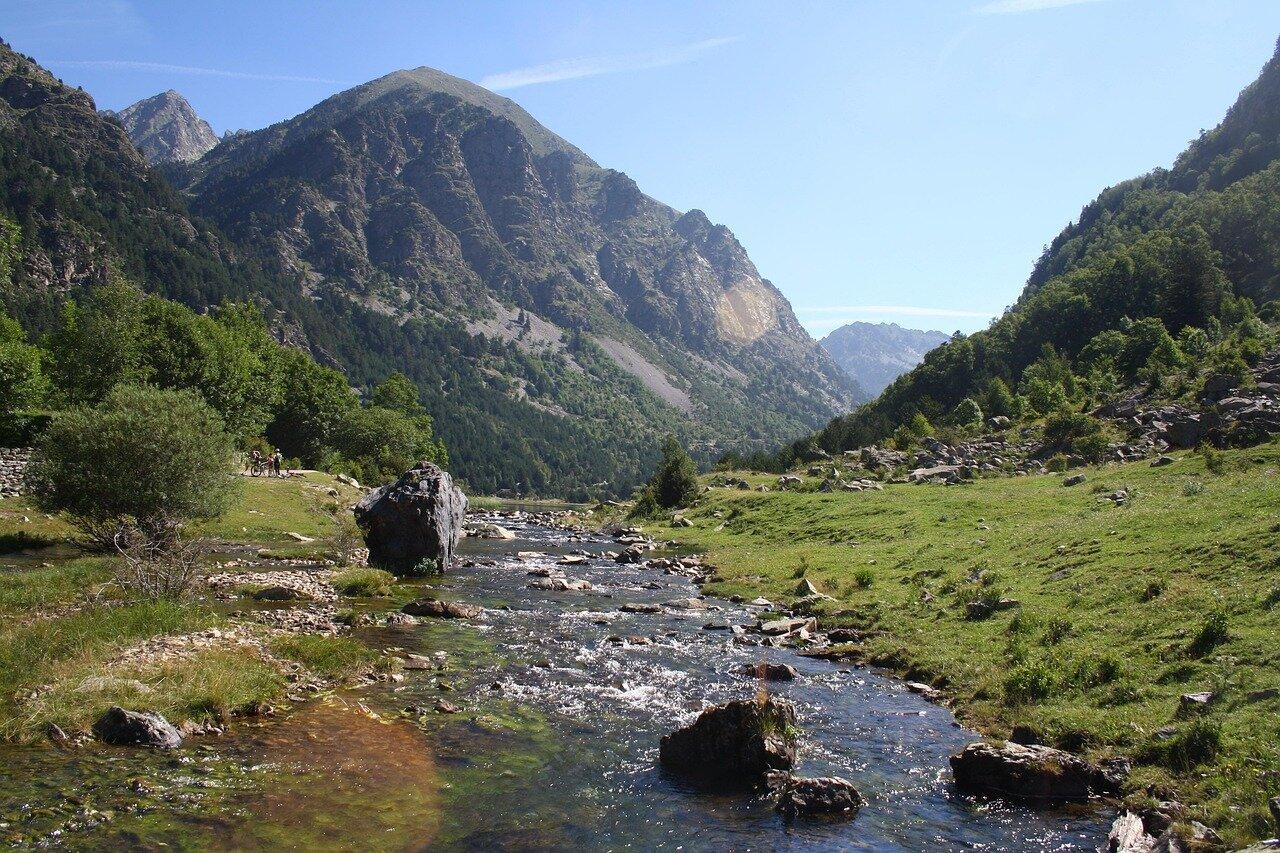
A first visit does not need a summit or a Portarró crossing. From Planell d’Aigüestortes, the short plateau circuits and the path toward Estany Llong deliver forest, meadow, and water without committing the group to a full traverse. From Sant Maurici, a lake-shore and waterfall circuit is usually enough. Turn back for thunder, cloud on the route, fatigue, or a missed timing checkpoint.
Travelers with reduced mobility should ask park staff about current adapted sections around the Boí-side plateau; not every Espot-side path is equivalent. In bad weather, keep the day in the gateway: the Casa del Parc interpretation spaces and the Romanesque villages of Vall de Boí still reward the journey. Pairing this park day with a separate Vall de Boí Romanesque landscape day works well across two nights; stacking both into one calendar day usually fails.
Choose Boí or Espot Deliberately
Pick Boí if you want meadow walking, family-friendly terrain, and easy pairing with Erill la Vall and Boí village. Pick Espot if the classic lake-and-peaks image of Sant Maurici is the goal and you accept a busier summer scene. Either way, one side, one walk, and an early return beat a half-finished traverse between valleys.
Related guides
- Vall de Núria Guide: Railway, Walks and Pyrenees Views
Plan a thoughtful visit to Vall de Núria, from the rack railway and lakeside walks to mountain-weather preparation and responsible Pyrenees hiking.
- Montseny Without a Car: A Conservative Mountain Day
Use rail and seasonal bus links for a low-risk Montseny day, with a route sized to the actual return timetable.
- Autumn Walking in the Catalan Pyrenees: Color, Cold and Shorter Days
Choose an autumn Pyrenees walk by elevation, daylight, weather, hunting notices, and the transport that still operates after summer.